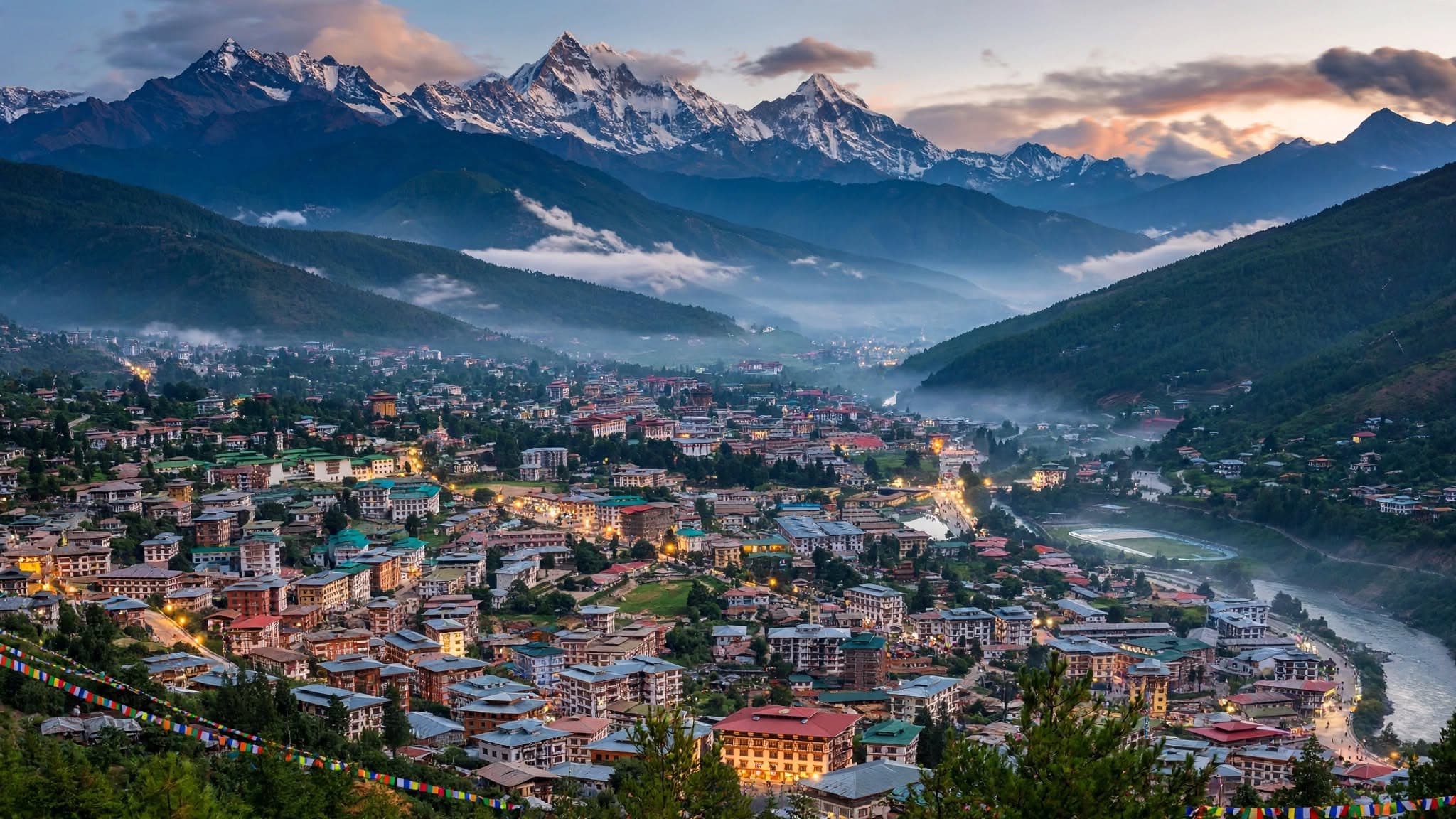
Sacred architecture
Dzongs and sacred architecture
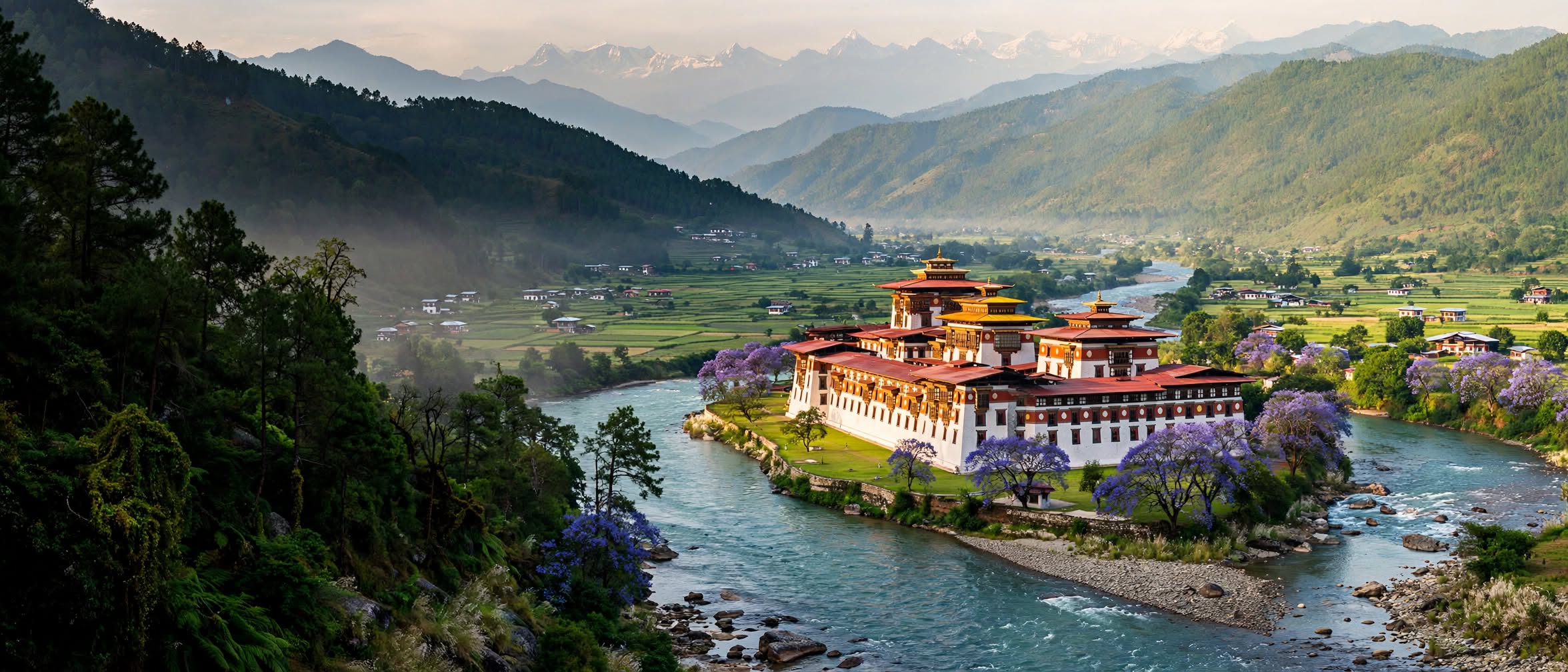
Fortress-monasteries such as Punakha Dzong stand at the meeting of rivers and history — white walls, carved timber and courtyards that still host ceremony and administration.
Living heritage
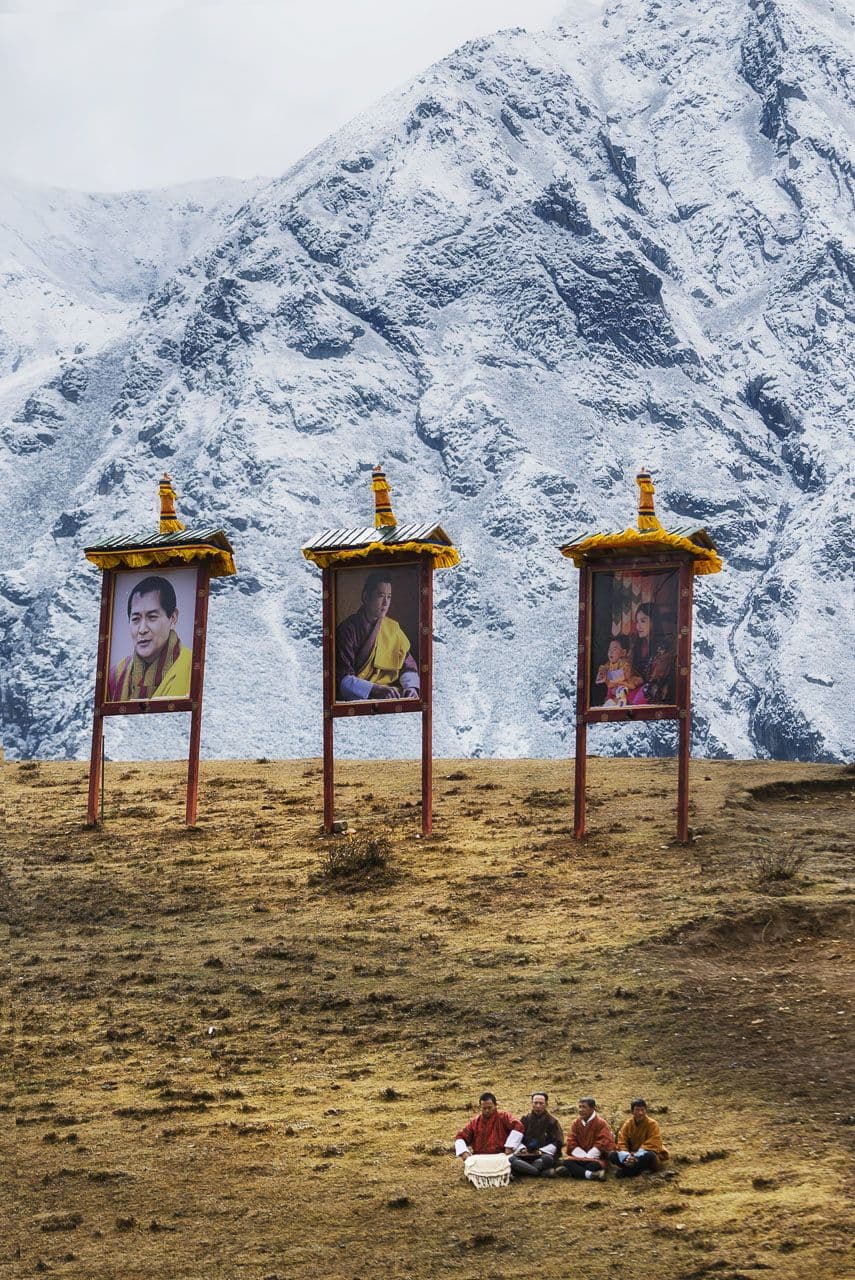
Bhutan’s identity is carried in architecture, ritual, dress and a national philosophy that places wellbeing beside progress.
Four threads of identity
Sacred architecture
Fortress-monasteries such as Punakha Dzong stand at the meeting of rivers and history — white walls, carved timber and courtyards that still host ceremony and administration.
A national philosophy
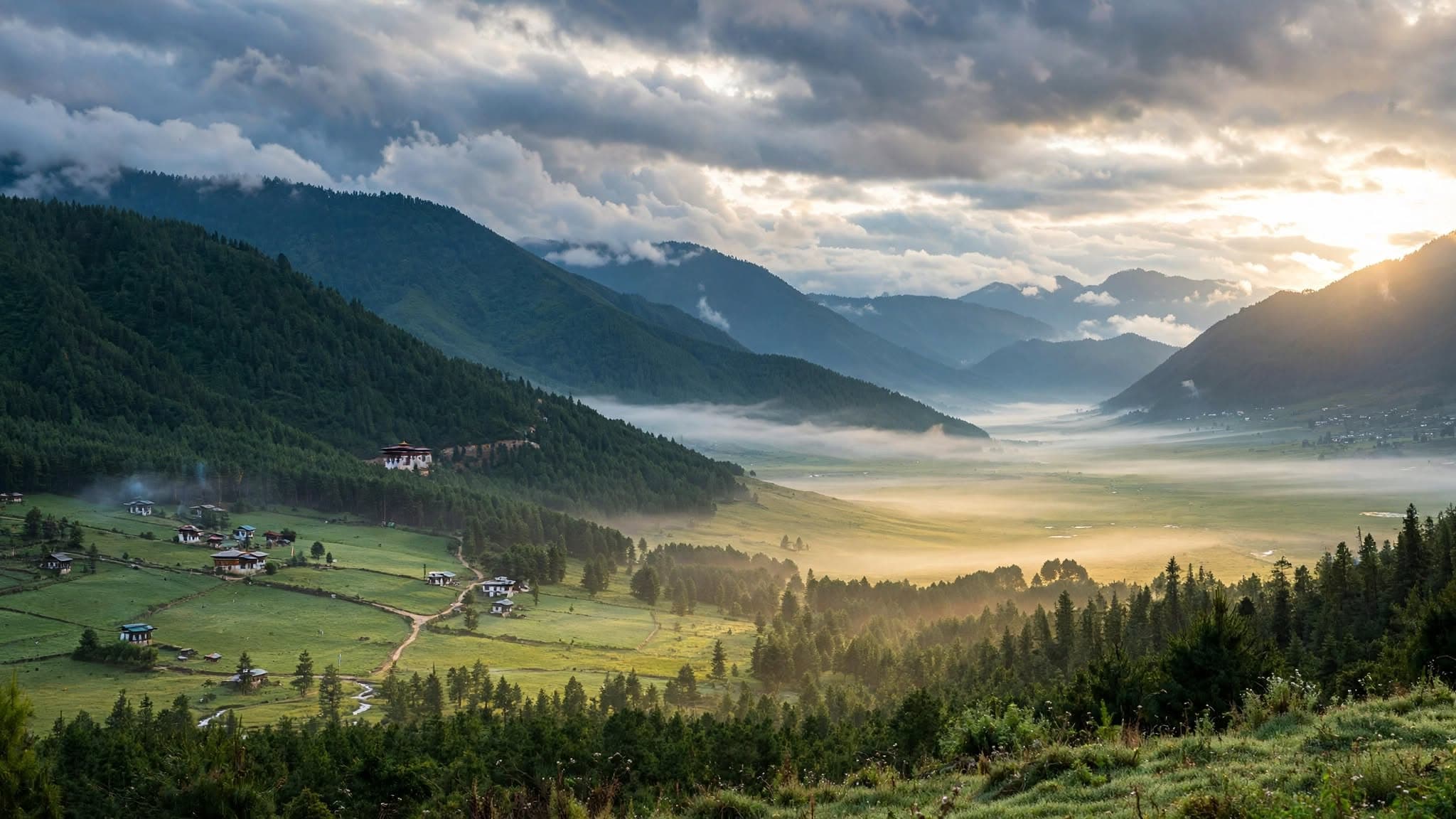
Bhutan’s development philosophy emphasises cultural preservation, environmental conservation, good governance and sustainable socio-economic growth — a framework that shapes how tourism is welcomed.
Living culture
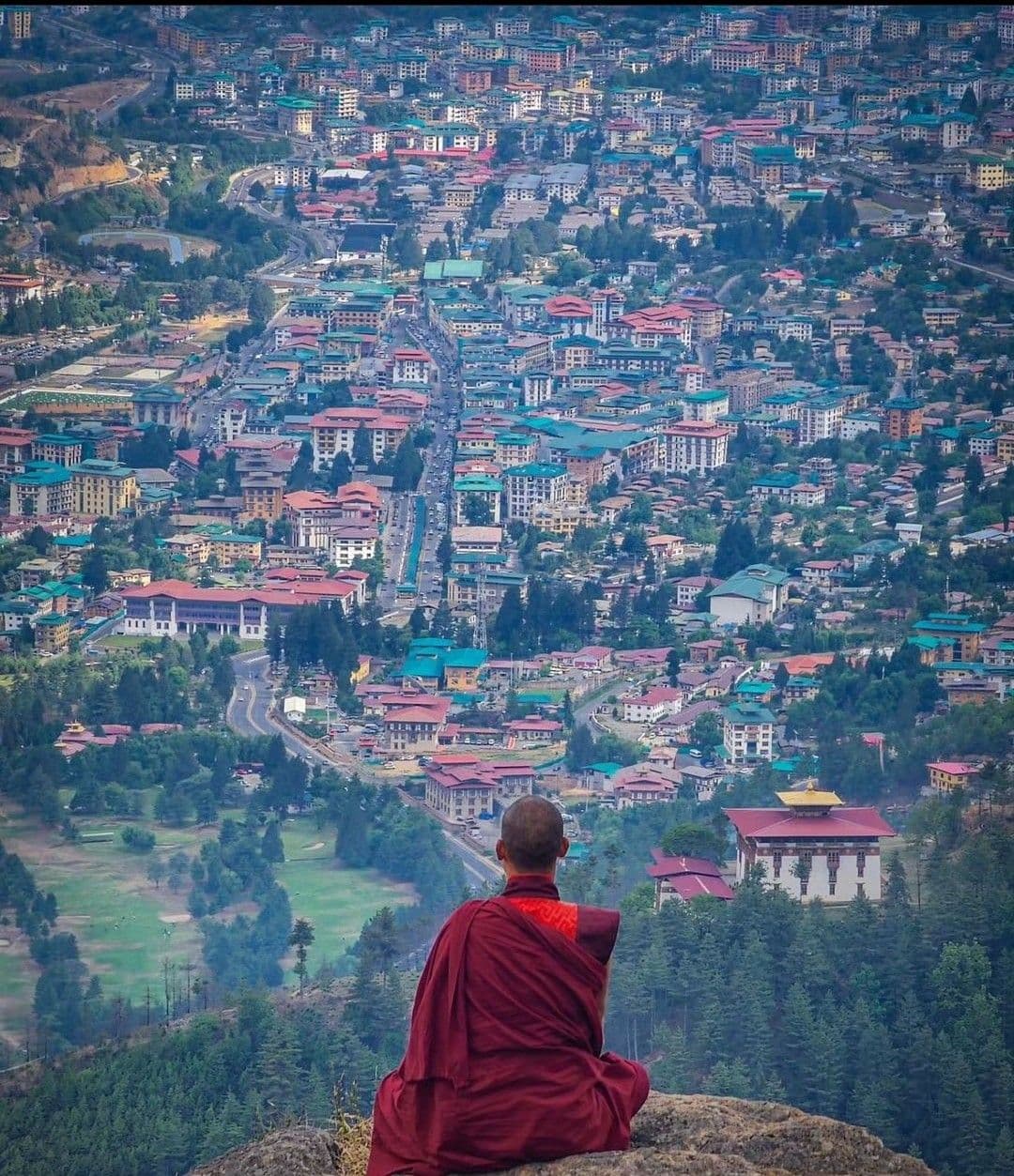
From National Dress to household altars and community festivals, cultural life remains visible in towns and villages alike. Guides help visitors engage respectfully.
Words of welcome
Dzongkha is the national language. English is widely used in tourism, with guides also speaking Hindi and Lhotsampa; Mandarin, Spanish and Portuguese can be arranged on request.
In the courtyards
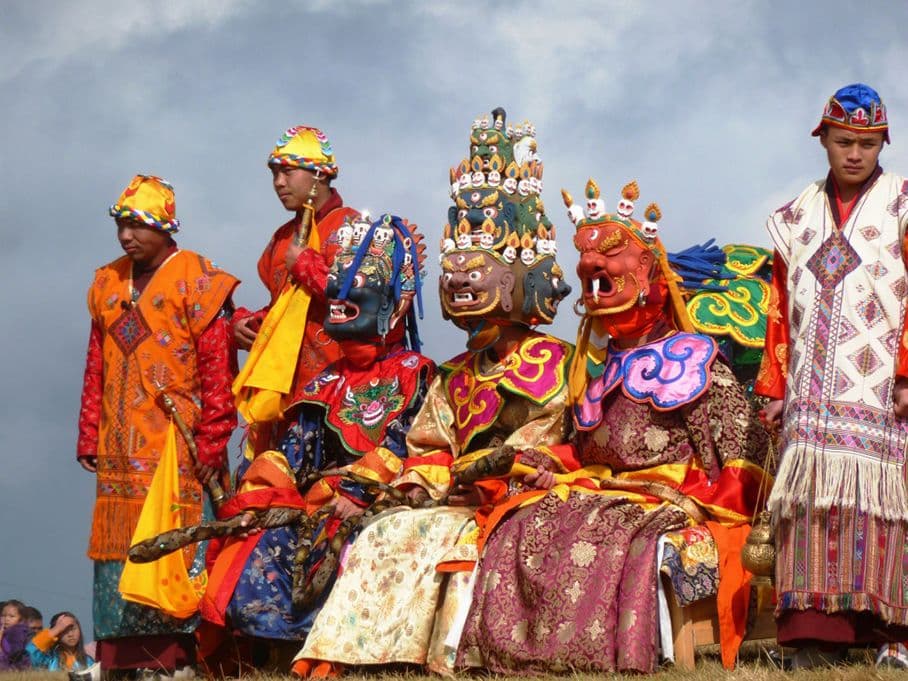
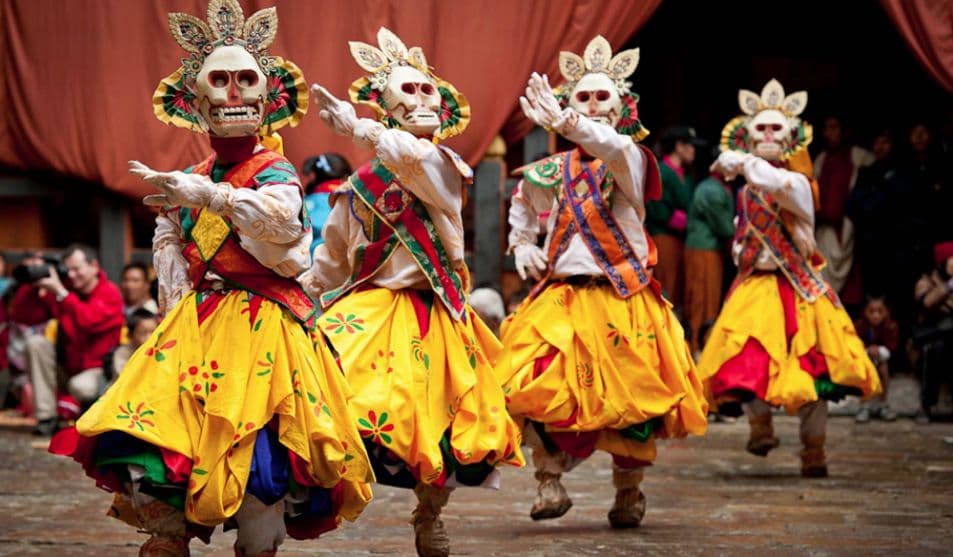
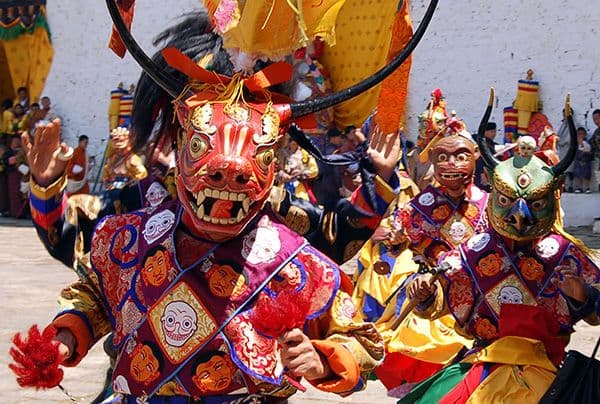
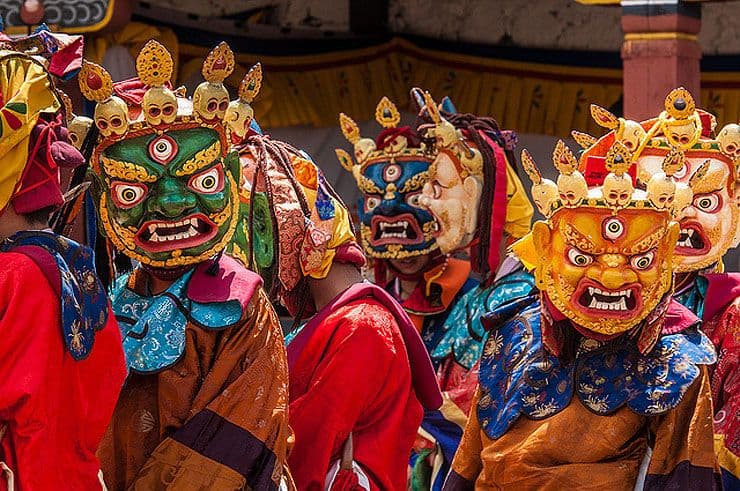
Masked cham dances — devotion, story and community, performed in open dzong courtyards.