
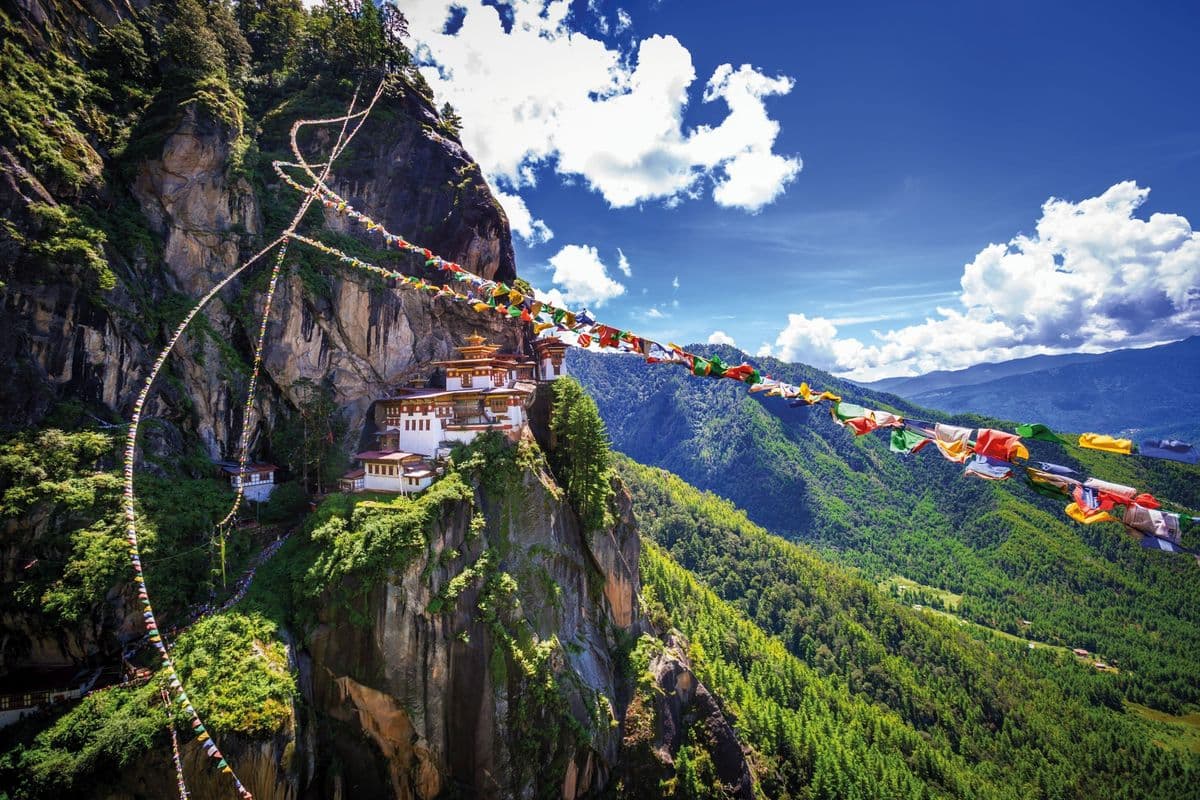
Western Bhutan / A destination guide
Paro
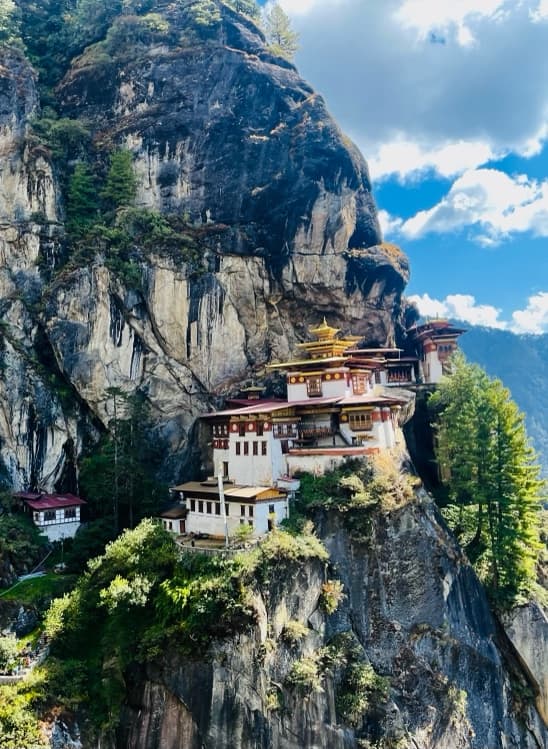
A broad river valley that is home to Bhutan’s only international airport, Rinpung Dzong and the cliffside Taktsang Monastery.
A broad river valley that is home to Bhutan’s only international airport, Rinpung Dzong and the cliffside Taktsang Monastery.
Highlights
- Taktsang Monastery
- Rinpung Dzong
- National Museum
History and cultural significance
Paro is one of the kingdom’s oldest settled valleys, and many of its sacred places are tied to the arrival of Buddhism. Kyichu Lhakhang is traditionally attributed to the 7th-century Tibetan king Songtsen Gampo, and the cliff at Taktsang is revered as a place where Guru Rinpoche meditated in the 8th century.
In the 17th century Zhabdrung Ngawang Namgyal, who unified much of Bhutan, built Rinpung Dzong above the river. Drukgyel Dzong, at the head of the valley, was raised to commemorate victory over Tibetan forces. Together they show how Paro served as both a spiritual centre and a guarded gateway to the west.
Paro today
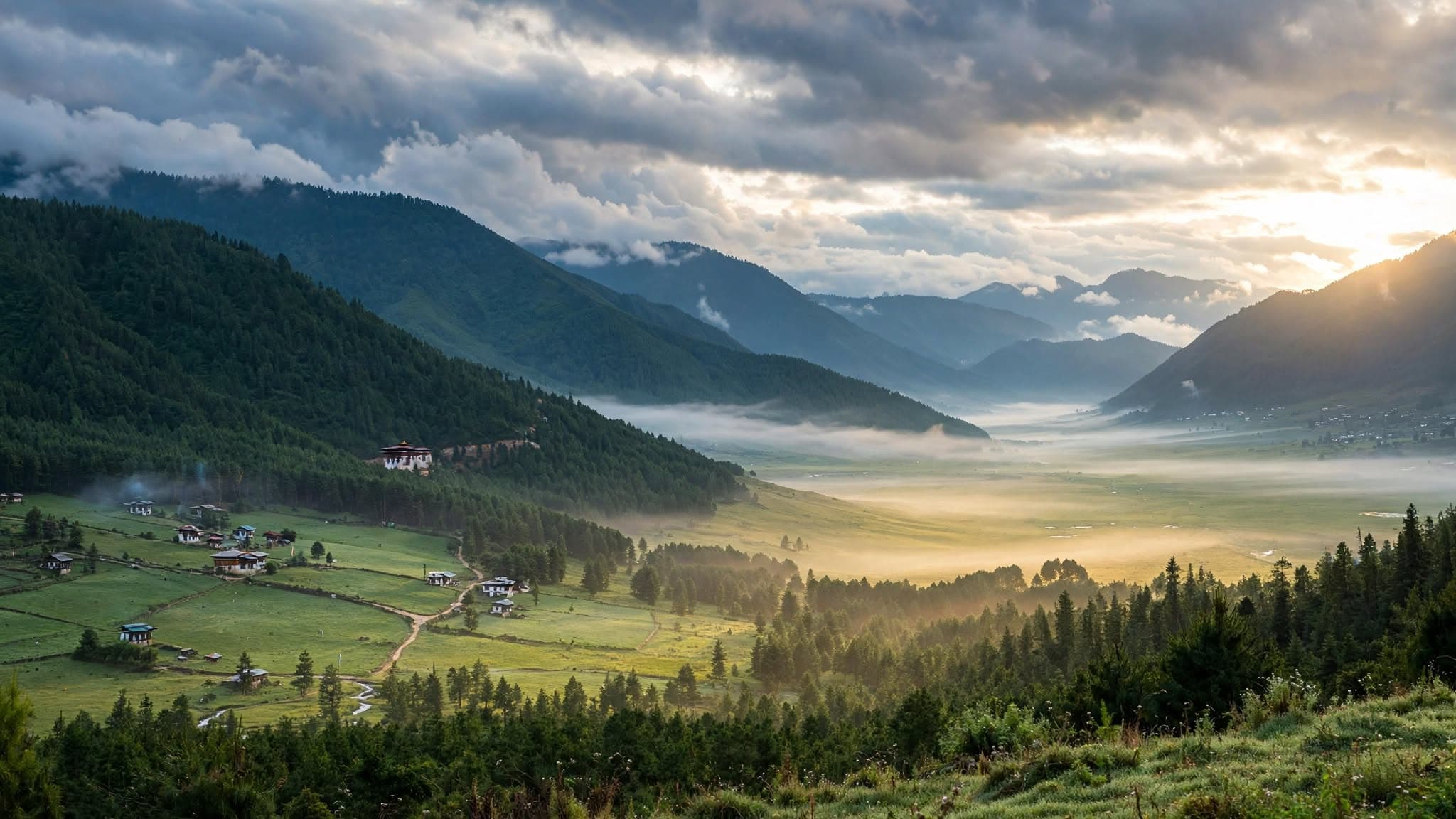
Today the valley is a patchwork of rice fields, traditional farmhouses and a small town along the Paro Chhu. Because most visitors arrive and depart through Paro International Airport, the valley often frames the first and last days of a journey.
The road west climbs over Chele La to the Haa valley, while the road east follows the river towards Thimphu.
Places to visit
Taktsang Monastery (Tiger’s Nest)
Bhutan’s best-known monastery clings to a sheer cliff high above the valley floor. It was built in 1692 around a cave associated with Guru Rinpoche, badly damaged by fire in 1998 and later restored.
Visitor note: Reached on foot by a steep forest trail.
Rinpung Dzong
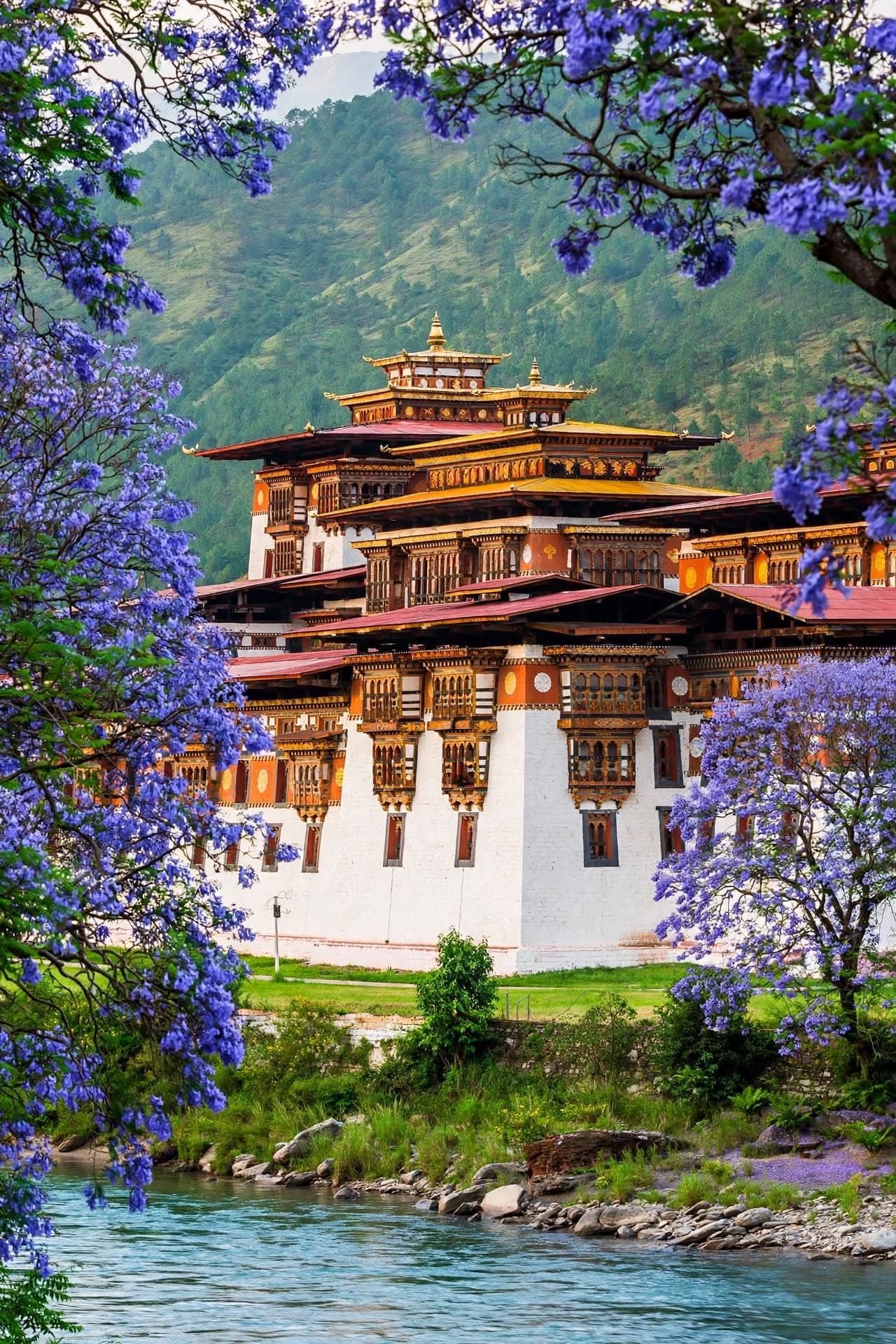
Built in the 17th century under Zhabdrung Ngawang Namgyal, the “fortress on a heap of jewels” houses Paro’s district administration and monastic body. Its courtyard hosts the annual Paro Tshechu.
National Museum (Ta Dzong)
The round Ta Dzong watchtower above Rinpung Dzong became the National Museum of Bhutan in 1968. Its collections span Bhutanese art, ritual objects and natural history.
Kyichu Lhakhang
Among the oldest temples in Bhutan, and still an active place of worship visited by local families.
Drukgyel Dzong
The fortress at the head of the valley commemorates victory over Tibetan forces. It was gutted by fire in 1951 and has since been undergoing reconstruction.
Chele La
A high road pass between Paro and Haa, strung with prayer flags. On clear days the views reach across forested ridges towards the mountains.
Experiences
Walk to Taktsang
A steady climb through blue pine forest to a viewpoint facing the monastery, then on to the temple itself. Allow most of a day.
Paro Tshechu
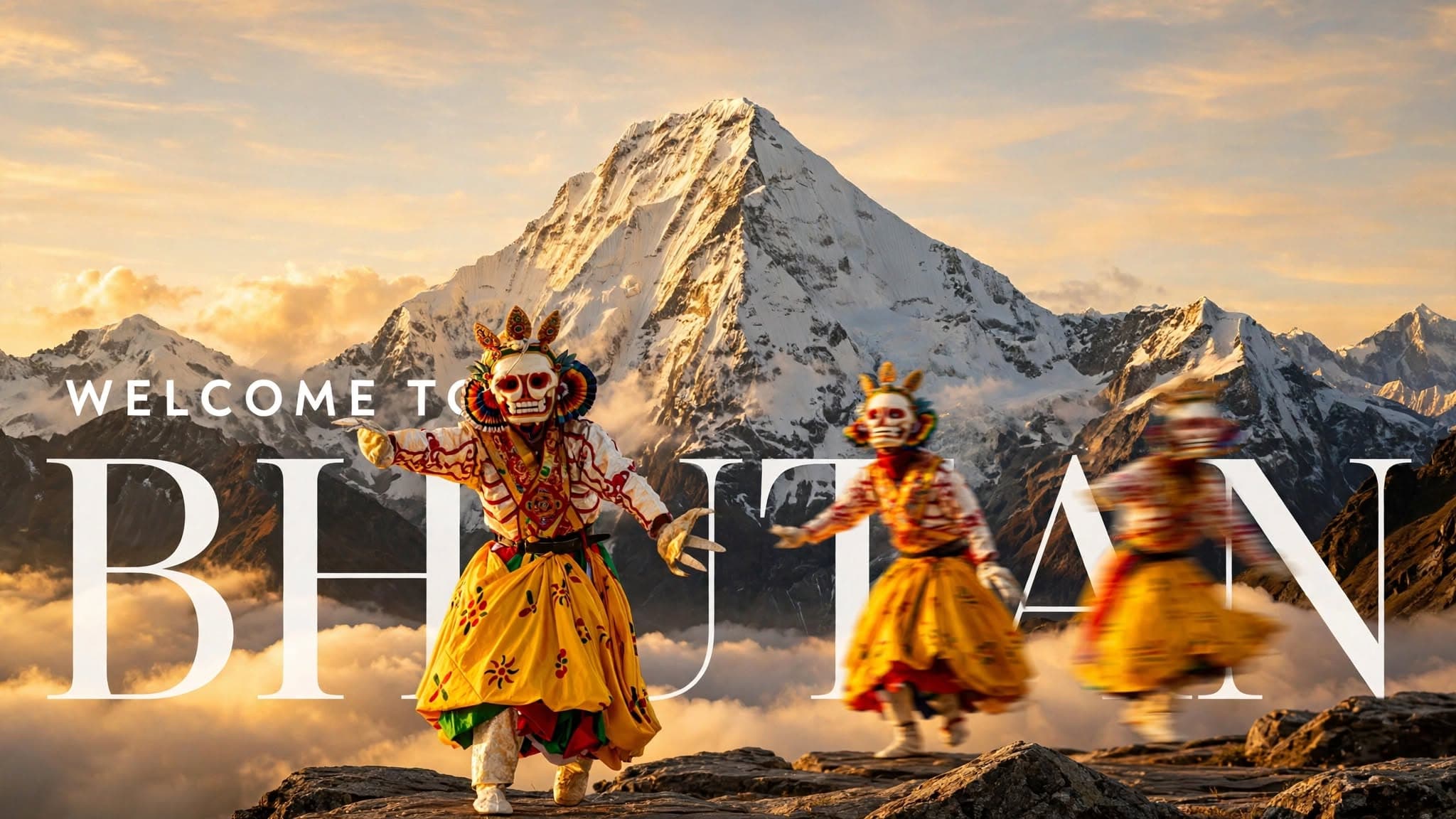
The spring festival at Rinpung Dzong fills the courtyard with masked dances. Dates follow the lunar calendar and change each year.
Valley life
Farmhouses, rice terraces and the small town along the river show everyday life in the west.
Best time to visit
Spring (March to May)
Generally mild, with rhododendrons flowering on many hillsides. Several major tshechus are held in spring.
Summer (June to August)
The monsoon brings rain and lush green valleys. Some roads and high trails can be affected.
Autumn (September to November)
Usually clearer skies after the monsoon and a popular time for trekking and festivals.
Winter (December to February)
Cold, often dry days, with snow possible on the passes and at higher elevations.
Paro seasonal note: The Paro Tshechu falls in spring. Its dates move each year, so we check them before you book flights.
Published journeys that include this destination
The following 13 published journeys name Paro in the route or itinerary. The destination page links only to journeys where the itinerary names the place. Experiences listed above are not automatically included in every journey.
The Western Valleys Circuit
Eight days across the valleys of western Bhutan: Paro, Thimphu, Punakha, Phobjikha and Haa. Fortresses and temples sit alongside high road passes, village life and the walk up to Taktsang, with time to take each place in.
Duration: 8 days / 7 nights Season listed: Spring and autumn Difficulty: Moderate Other listed destinations: Thimphu, Punakha, Phobjikha Valley, Haa Valley
The Essential Valley Escape
A four-day, three-night introduction to western Bhutan, focused on Paro and Thimphu. It suits travellers who want a first look at the country’s cultural heartland in a short stay.
Duration: 4 days / 3 nights Other listed destinations: Thimphu
The Happiness Route
Six days linking Thimphu, Punakha and Paro. The journey moves from the capital’s museums and viewpoints over Dochula to Punakha’s river valley, and ends with the walk to Taktsang.
Duration: 6 days / 5 nights Season listed: Spring and autumn Difficulty: Moderate Other listed destinations: Thimphu, Punakha, Wangdue Phodrang
Trashigang Mask Dance Journey
Twelve days from east to west, built around the Trashigang Tshechu. The journey pairs the festival’s mask dances with eastern valleys and highland communities, the temples of Bumthang and well-known landmarks in western Bhutan.
Duration: 12 days Other listed destinations: Trashigang, Trashi Yangtse, Mongar, Lhuentse, Bumthang, Punakha, Thimphu
Chorten Kora and Eastern Bhutan Discovery
Fourteen days in eastern Bhutan and beyond, timed for the Chorten Kora festival. The route brings together the festival, the weaving traditions of the east, highland communities and major cultural sites further west.
Duration: 14 days / 13 nights Other listed destinations: Trashigang, Mongar, Lhuentse, Bumthang, Punakha, Thimphu
Black-Necked Crane Festival Escape
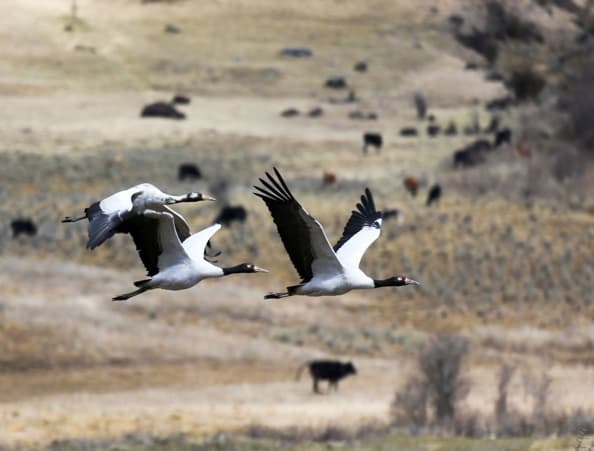
A seven-day winter journey that pairs sightseeing in Thimphu with time in Phobjikha Valley, where black-necked cranes spend the winter.
Duration: 7 days / 6 nights Other listed destinations: Thimphu, Phobjikha Valley
Paro Tshechu and Western Heritage
Seven days and six nights in western Bhutan, built around the Paro Tshechu, with time in Paro and Thimphu. We share the current itinerary and festival dates when you enquire.
Duration: 7 days / 6 nights Other listed destinations: Thimphu
Jomolhari Mountain Trail
Eight days that begin with Paro’s cultural landmarks and the Taktsang hike, then head onto the trail. The trek follows the Paro Chhu upstream through villages and forest into high country below Jomolhari, with fully serviced camps.
Duration: 8 days Season listed: April–June and September–November Difficulty: Medium Other listed destinations: Gasa, Laya, Thimphu
Snowman Wilderness Expedition
A 28-day expedition across the remote high Himalaya of northern Bhutan, through the Lingshi, Laya and Lunana regions. Rated extremely hard, with a high point of about 5,470 m at Rinchen Zoe La, it is for experienced high-altitude trekkers.
Duration: 28 days Difficulty: Extremely hard Other listed destinations: Gasa, Trongsa, Punakha, Thimphu
Gangkhar Puensum Wilderness Trek
An 18-day high-altitude trek toward Gangkhar Puensum, combining acclimatisation days, yak-herder routes, mountain passes and time in rural communities. The full route and altitude profile are shared on request.
Duration: 18 days
Druk Path and Tsaluna Trek
A nine-day trekking journey between Paro and Thimphu that combines the Druk Path with the Tsaluna trail. The plan can be adjusted; we share the current route, camps and altitude profile on request.
Duration: 9 days, customizable Other listed destinations: Thimphu
Bhutan on Two Wheels
Seven days seeing western Bhutan by bicycle. Road rides link Paro, Thimphu and Punakha, with stops at dzongs, temples and villages and a long descent from Dochula.
Duration: 7 days / 6 nights Season listed: Spring (March–May) and autumn (September–November) Other listed destinations: Thimphu, Punakha, Wangdue Phodrang, Phobjikha
Rivers of the Dragon Kingdom
Seven days on the rivers of western Bhutan for intermediate to expert paddlers, with sightseeing in Paro, Thimphu and Punakha. River sections range widely in difficulty, and some run only in certain seasons.
Duration: 7 days Season listed: Summer (June–August) for Paro and Wangduephodrang rivers; select sections may be possible March–April and November–December Difficulty: Intermediate to expert paddlers Other listed destinations: Thimphu, Punakha, Wangdue Phodrang
Plan a visit to Paro
The website invites visitors to share their dates and interests so the team can suggest how Paro could fit into a route. Contact the travel team for a current itinerary and details.
Travel Finder Tours
Plan a visit to Paro
Share your dates and interests, and our travel team can help you plan a current itinerary.
Plan with an advisor