

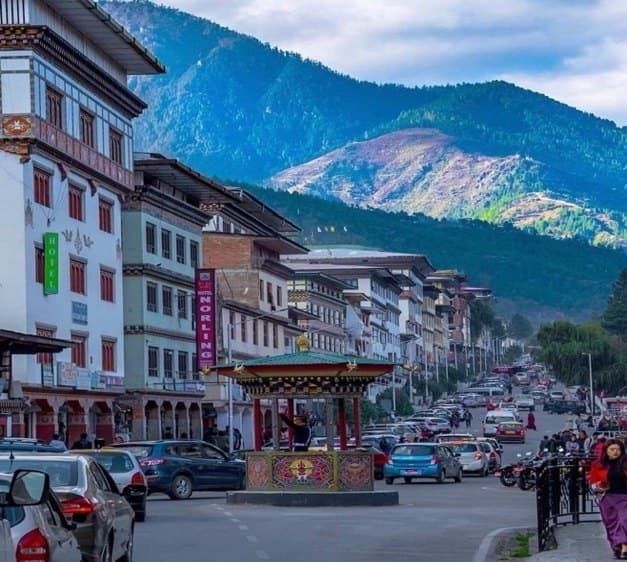
Eastern Bhutan / A destination guide
Trashigang
Eastern Bhutan’s largest district, with a 17th-century dzong above the river and routes to the highland communities of Merak and Sakteng.
Eastern Bhutan’s largest district, with a 17th-century dzong above the river and routes to the highland communities of Merak and Sakteng.
Highlights
- Trashigang Dzong
- Gom Kora
- Chorten Kora
History and cultural significance
Trashigang Dzong was built in the mid-17th century on a spur high above the Drangme Chhu, guarding the east against invasion from Tibet.
Nearby, Gom Kora is associated with Guru Rinpoche, who is said to have meditated there. Further north in Trashi Yangtse, the great stupa of Chorten Kora was built in the 18th century and modelled on Boudhanath in Kathmandu.
Trashigang today
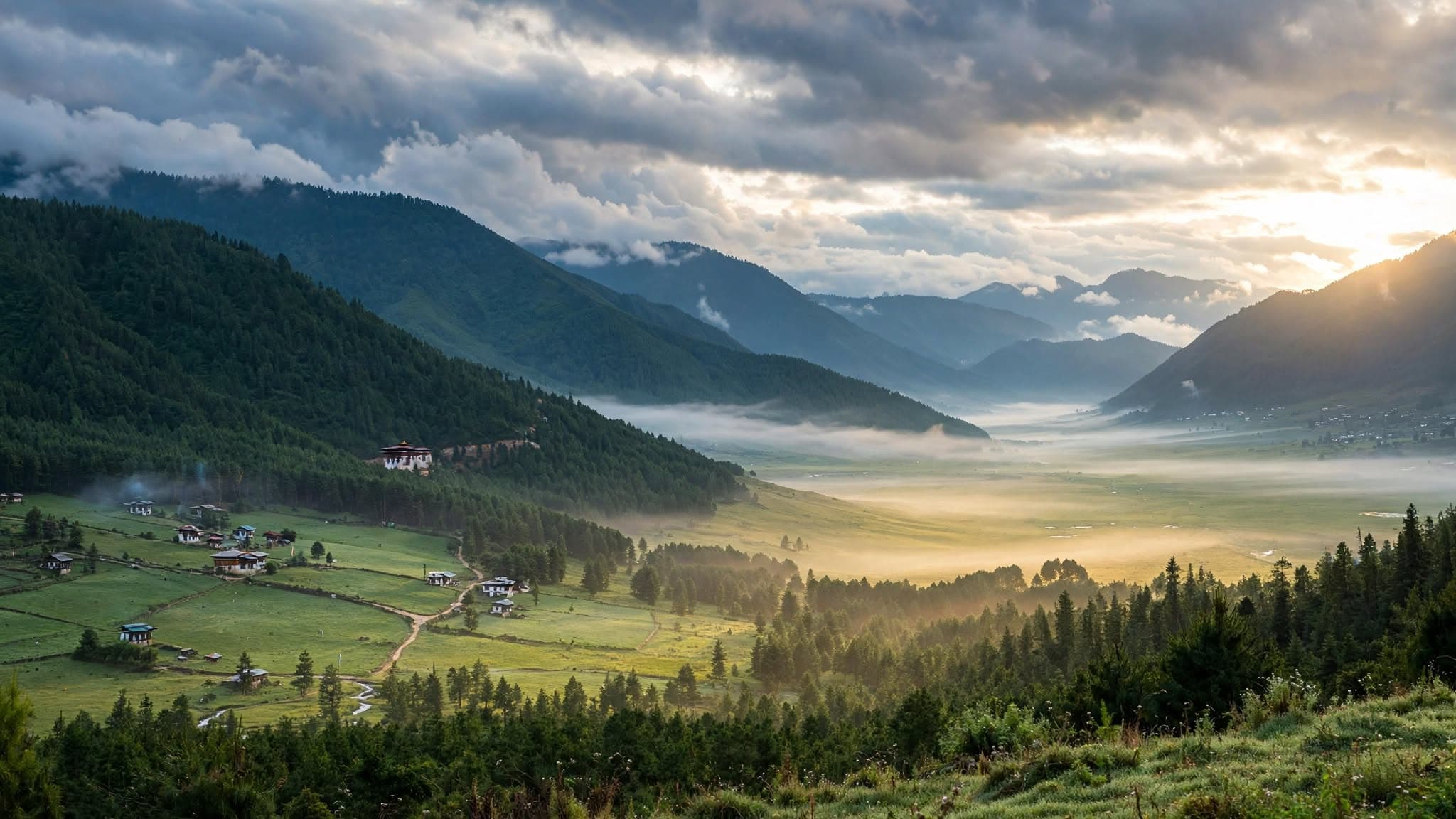
The east is warmer, greener and far less visited than the western valleys, with roads winding through deep river gorges.
Trashigang is the gateway to Merak and Sakteng, home of the semi-nomadic Brokpa people.
Places to visit
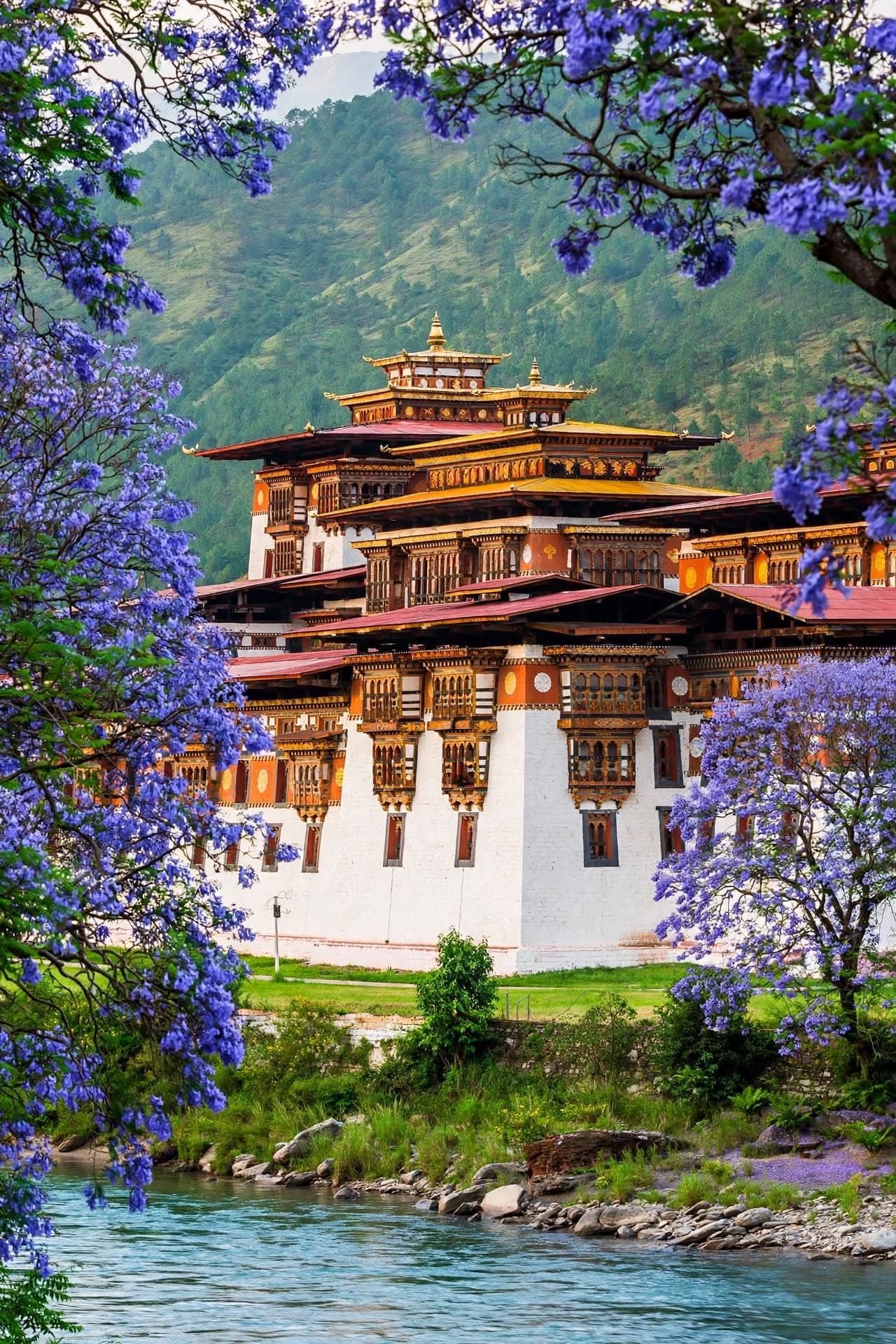
Trashigang Dzong
The 17th-century fortress on a spur above the Drangme Chhu, and the setting of the winter Trashigang Tshechu.
Gom Kora
A temple on the banks of the Drangme Chhu, associated with Guru Rinpoche.
Chorten Kora (Trashi Yangtse)
A large white stupa in neighbouring Trashi Yangtse, built in the 18th century and modelled on Boudhanath in Kathmandu.
Experiences
Trashigang Tshechu
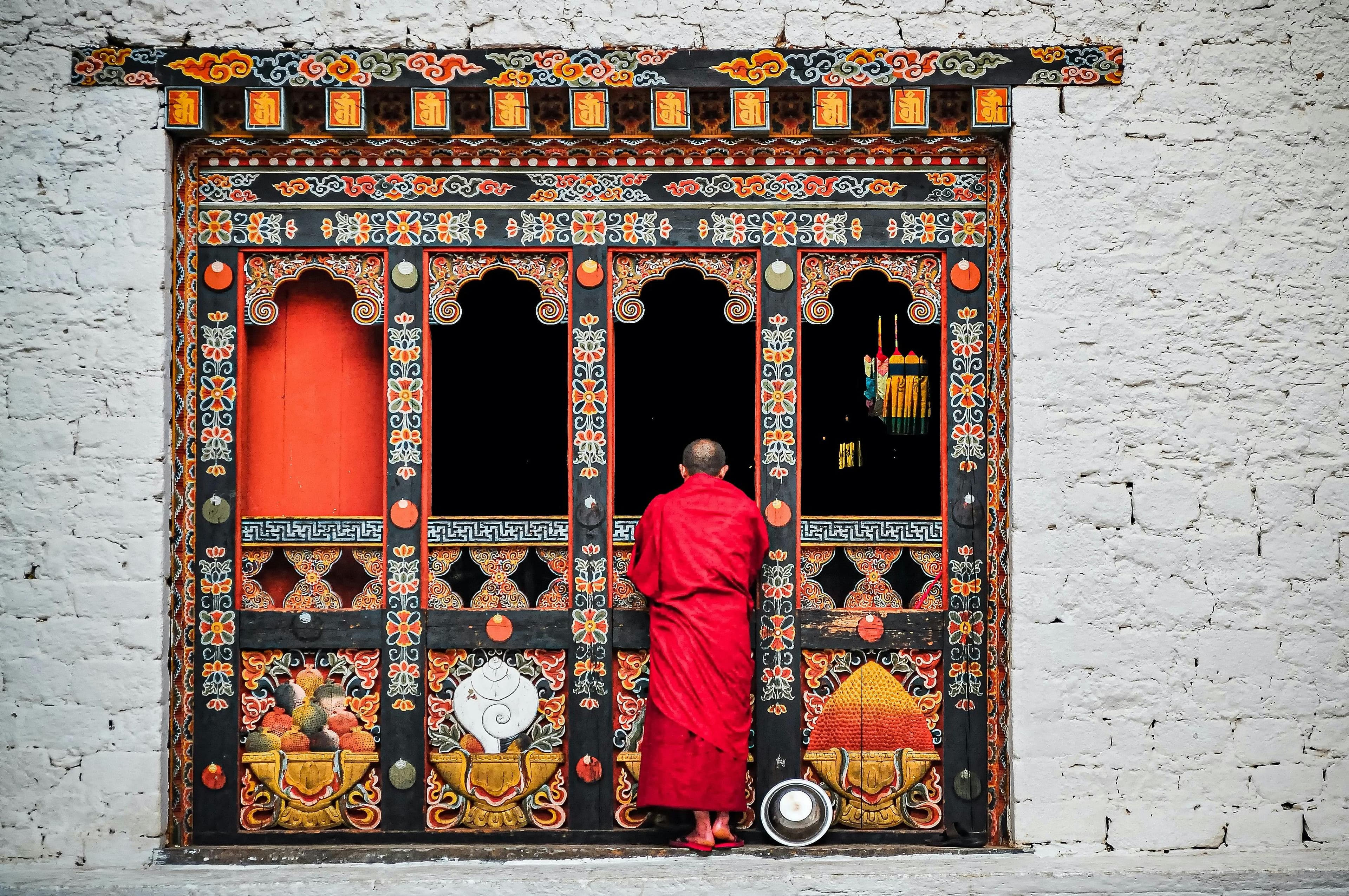
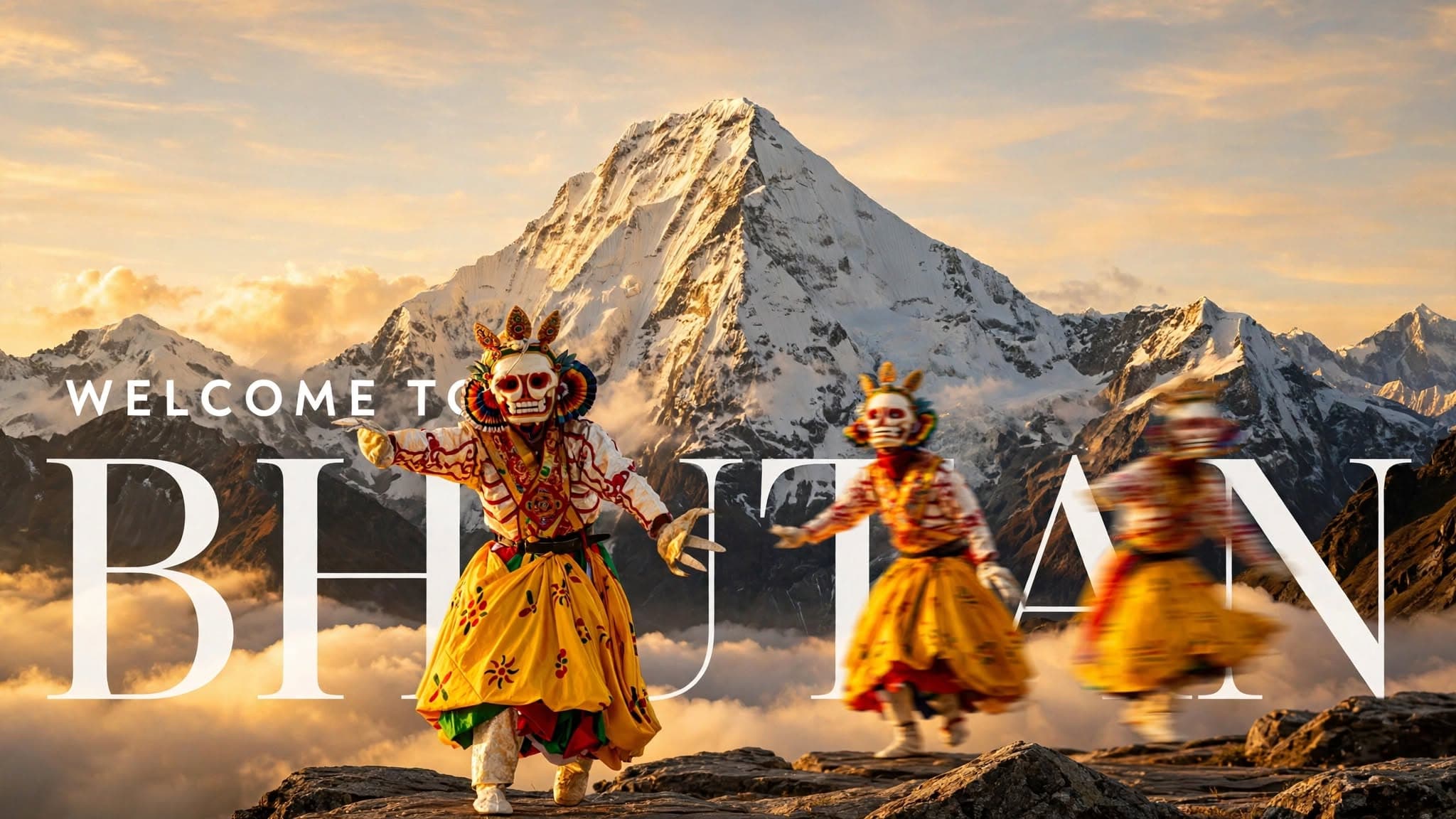
The winter festival fills the dzong courtyard with masked dances. Dates follow the lunar calendar.
The far east
Long drives through gorges and terraced hills reveal a side of Bhutan few visitors see.
Best time to visit
Spring (March to May)
Generally mild, with rhododendrons flowering on many hillsides. Several major tshechus are held in spring.
Summer (June to August)
The monsoon brings rain and lush green valleys. Some roads and high trails can be affected.
Autumn (September to November)
Usually clearer skies after the monsoon and a popular time for trekking and festivals.
Winter (December to February)
Cold, often dry days, with snow possible on the passes and at higher elevations.
Trashigang seasonal note: The Trashigang Tshechu takes place in winter. Ask us for this year’s dates, as they shift with the Bhutanese calendar.
Published journeys that include this destination
The following 2 published journeys name Trashigang in the route or itinerary. The destination page links only to journeys where the itinerary names the place. Experiences listed above are not automatically included in every journey.
Trashigang Mask Dance Journey
Twelve days from east to west, built around the Trashigang Tshechu. The journey pairs the festival’s mask dances with eastern valleys and highland communities, the temples of Bumthang and well-known landmarks in western Bhutan.
Duration: 12 days Other listed destinations: Trashi Yangtse, Mongar, Lhuentse, Bumthang, Punakha, Thimphu, Paro
Chorten Kora and Eastern Bhutan Discovery
Fourteen days in eastern Bhutan and beyond, timed for the Chorten Kora festival. The route brings together the festival, the weaving traditions of the east, highland communities and major cultural sites further west.
Duration: 14 days / 13 nights Other listed destinations: Mongar, Lhuentse, Bumthang, Punakha, Thimphu, Paro
Plan a visit to Trashigang
The website invites visitors to share their dates and interests so the team can suggest how Trashigang could fit into a route. Contact the travel team for a current itinerary and details.
Travel Finder Tours
Plan a visit to Trashigang
Share your dates and interests, and our travel team can help you plan a current itinerary.
Plan with an advisor