
Nature & Wildlife
Bird Watching & Wildlife
Birding across Bhutan’s alpine, temperate and tropical habitats, paired with cultural stops and a Taktsang hike.
The journey
A closer look
Birding across Bhutan’s alpine, temperate and tropical habitats, paired with cultural stops and a Taktsang hike.
- 01Thimphu
- 02Punakha
- 03Phobjikha
- 04Zhemgang
- 05Manas region
- 06Paro
Along the way
Journey highlights
- Dochula Pass birding
- Phobjikha wetlands
- Manas region tropical birding
- Bird species named in source include blood pheasant, Himalayan monal and spotted nutcracker
Day by day
The journey
Follow the route one day at a time.
Day 1 of 10
Day 1—Arrive at Paro; transfer to Thimphu · 2,320 m
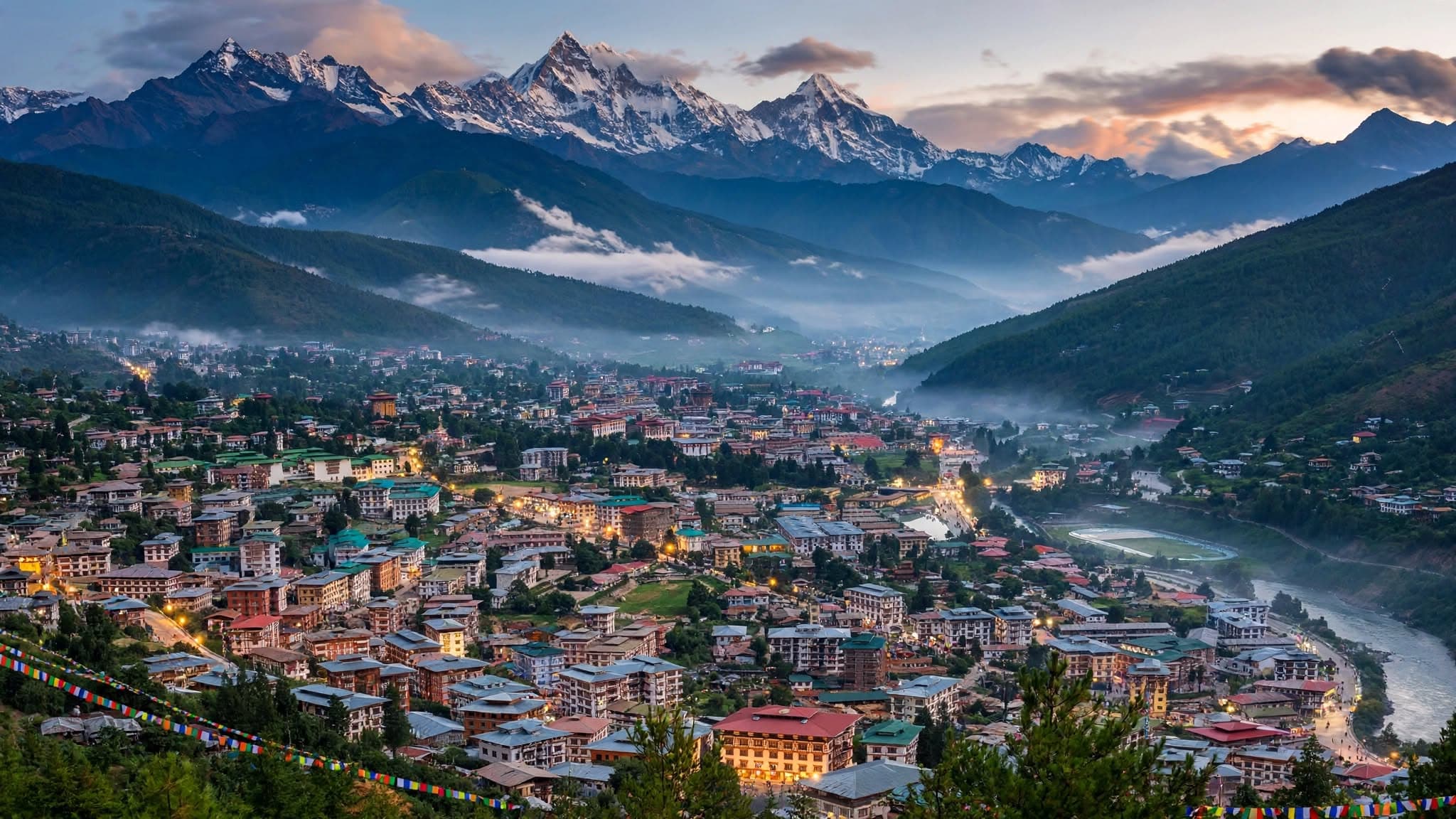
Arrive at Paro International Airport and drive to Thimphu (2,320 m; about 1.5 hours). The itinerary suggests stops for valley, river, and prayer-flag photographs, followed by evening birding in city gardens and forests. Possible species listed include Fire-tailed Myzornis, Black-faced Laughingthrush, and White-collared Blackbird. Overnight in Thimphu.
Day 2—Thimphu local birding and cultural photography
Bird at Dochula Pass (3,100 m), where the itinerary lists Blood Pheasant, Snow Pigeon, and Himalayan Monal. Continue in Thimphu’s temperate forests, looking for species including Rufous-bellied Woodpecker, Green-backed Tit, and Spotted Nutcracker. Cultural photography may include Buddha Dordenma, Tashichho Dzong, and local dress. Overnight in Thimphu.
Day 3—Drive to Punakha; river and forest birding · 1,300 m
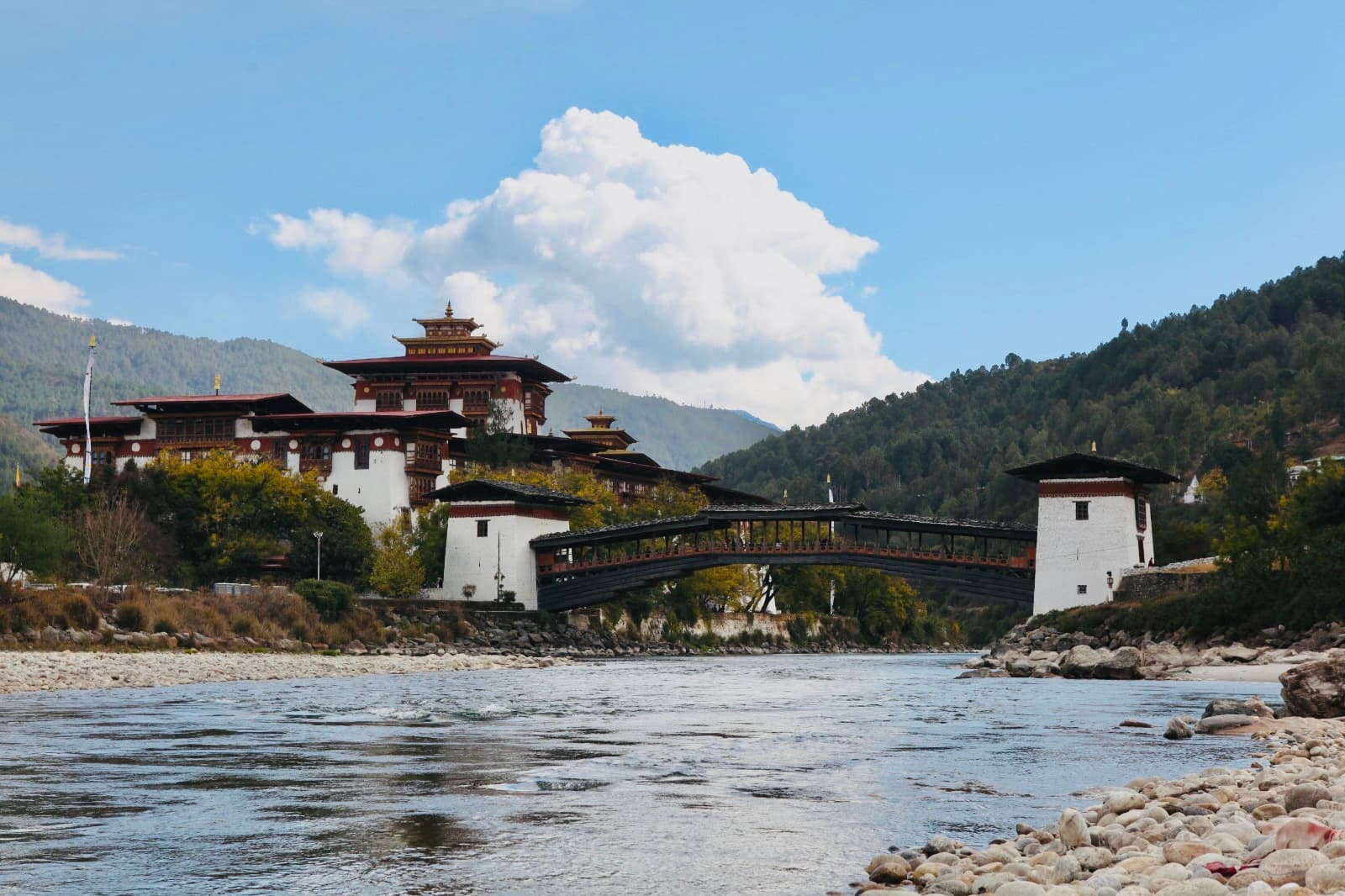
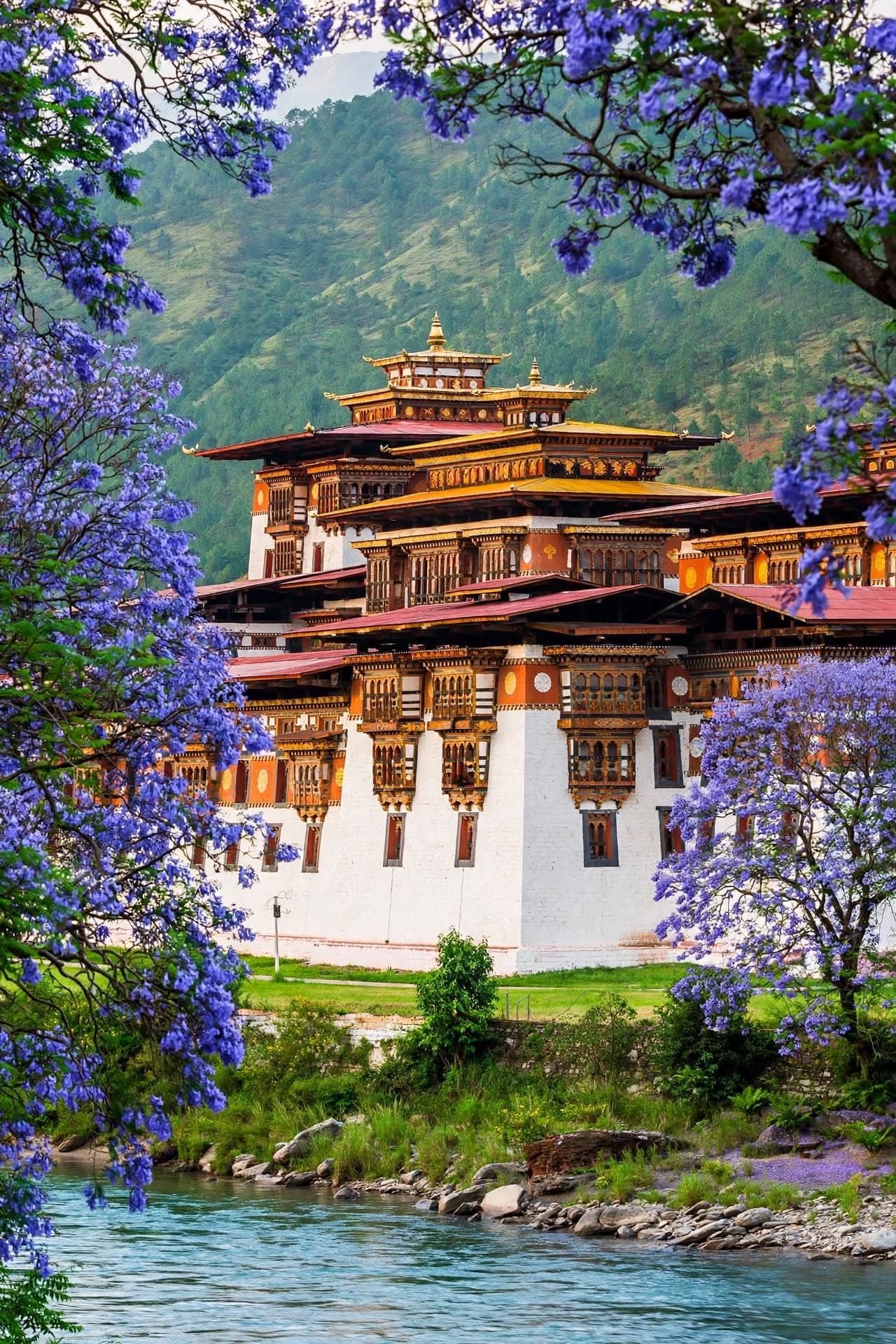
Drive about three hours to Punakha (around 1,300 m), stopping for terraced fields, rivers, villages, and river/forest birding. The itinerary lists Himalayan Swiftlet, White-throated Kingfisher, and Grey-headed Woodpecker as possible sightings and suggests sunset photography at Punakha Dzong. Overnight in Punakha.
Day 4—Punakha village and river birding
Spend the day birding Punakha’s riparian and forest habitats and nearby villages. The itinerary lists Rufous-necked Hornbill, Silver-eared Mesia, and flycatchers as possible sightings, with time for river landscapes and farmhouses. Overnight in Punakha.
Day 5—Phobjikha Valley and Gangtey Monastery · 2,900 m
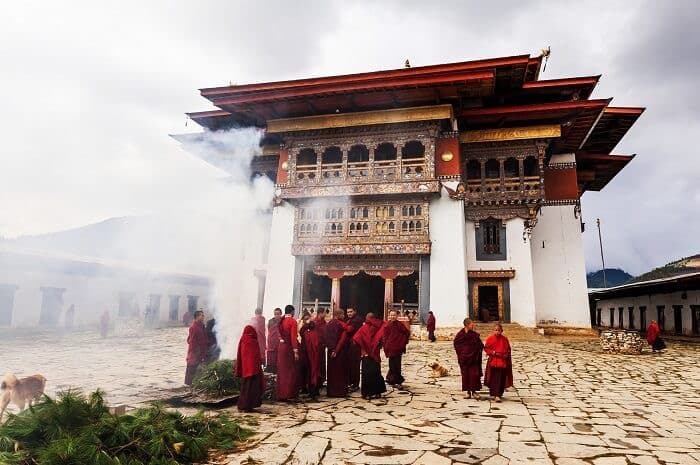
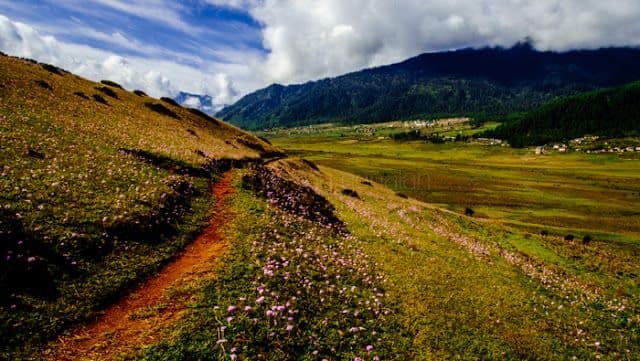
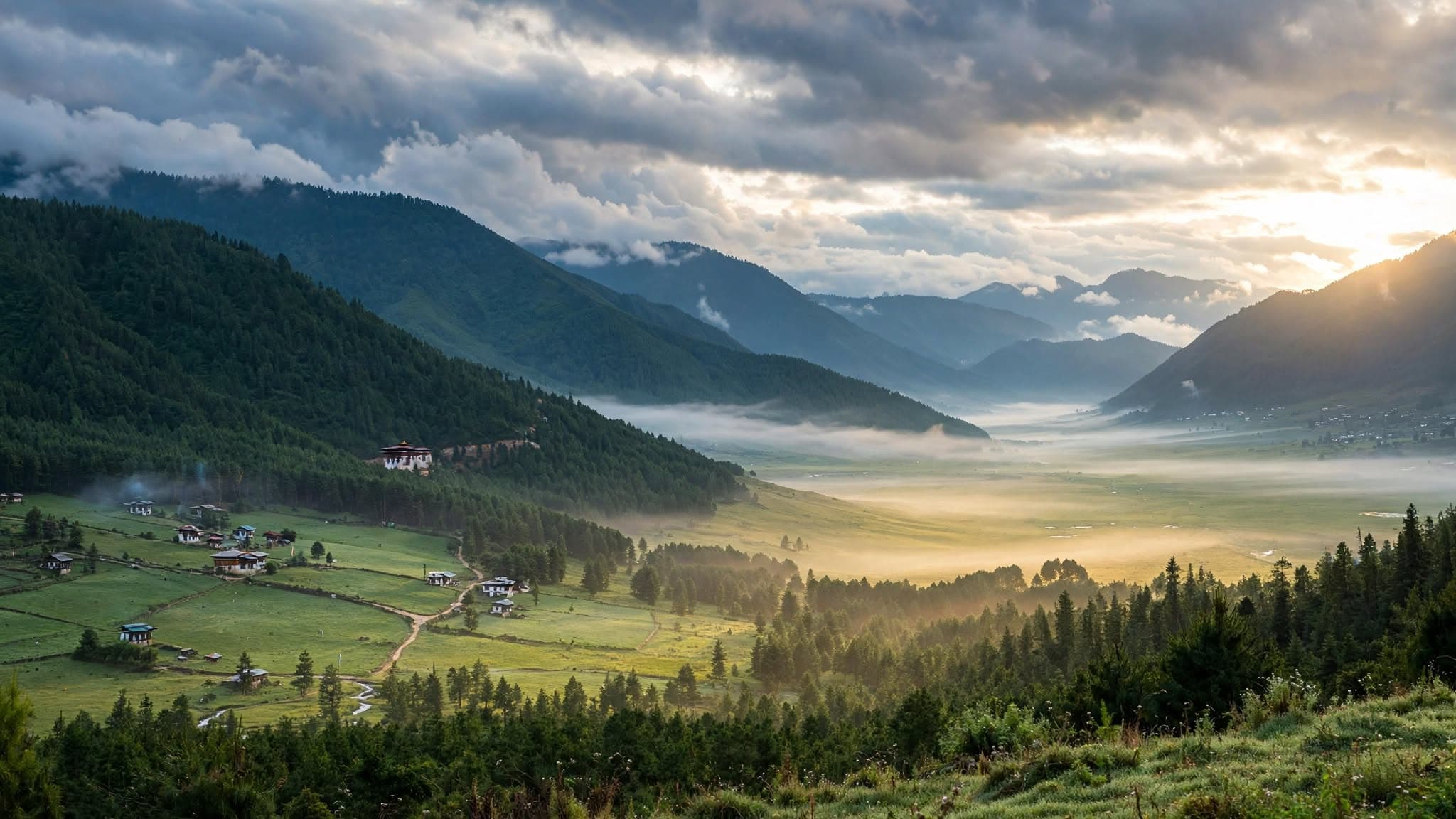
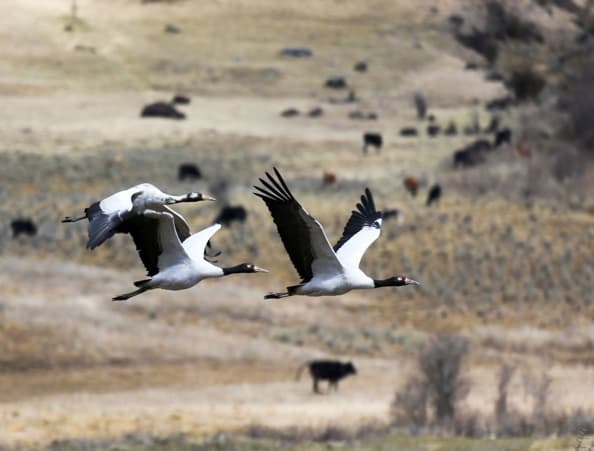
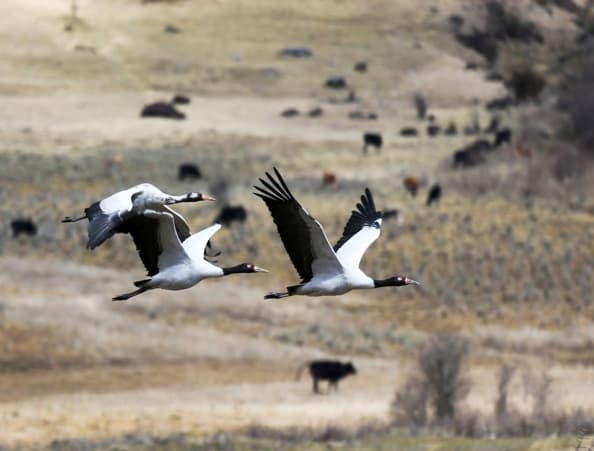
Drive about three hours to Phobjikha Valley (2,900 m). Photograph wetlands, meadows, farmhouses, rivers, and Gangtey Monastery. Black-necked Cranes are present seasonally in winter; other species named include White-bellied Heron, Blood Pheasant, and warblers. The itinerary’s overnight column still says Punakha; confirm the actual lodging location.
Day 6—Travel to Zhemgang / Manas region · 200–800 m
Travel about six to seven hours toward Zhemgang and the Manas Wildlife Sanctuary region (200–800 m). The itinerary describes lowland forests, rivers, villages, and afternoon birding near sanctuary edges, with Great Hornbill, Rufous-necked Hornbill, Crested Serpent Eagle, and tropical flycatchers among target species. Overnight in the Zhemgang area.
Day 7—Manas Wildlife Sanctuary region tropical birding
Spend the day in the Manas Wildlife Sanctuary region for tropical birding. Target species listed include Himalayan Cutia, Blue-naped Pitta, Red-headed Trogon, and Lesser Adjutant Stork. The itinerary describes riverine forest and wetlands and says birding is guided for safe, low-impact encounters. Overnight in the Zhemgang area.
Day 8—Return toward Punakha
Return toward Punakha (about six hours), stopping for mid-altitude birding in subtropical forest. The itinerary names Green-billed Malkoha, White-rumped Shama, and leafbirds as possible sightings, with valley and river photography en route. Overnight in Punakha.
Day 9—Paro and Taktsang Monastery hike · 3,120 m
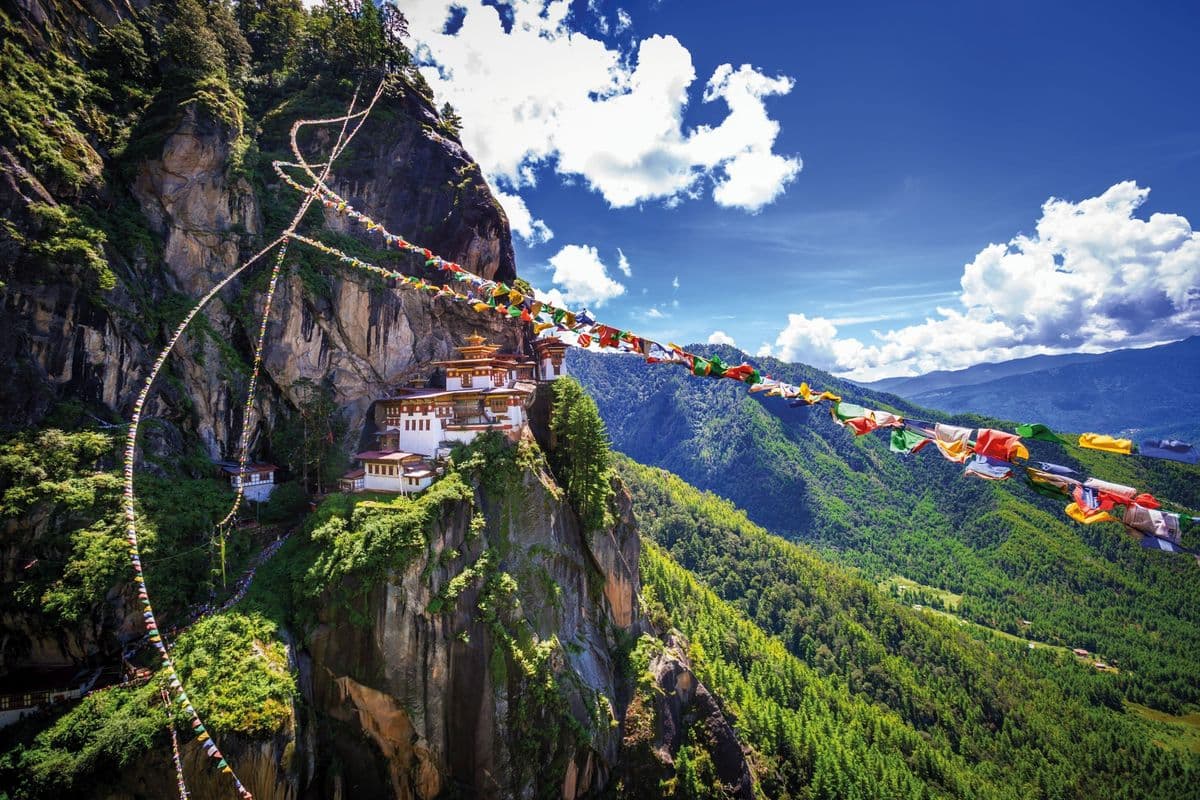
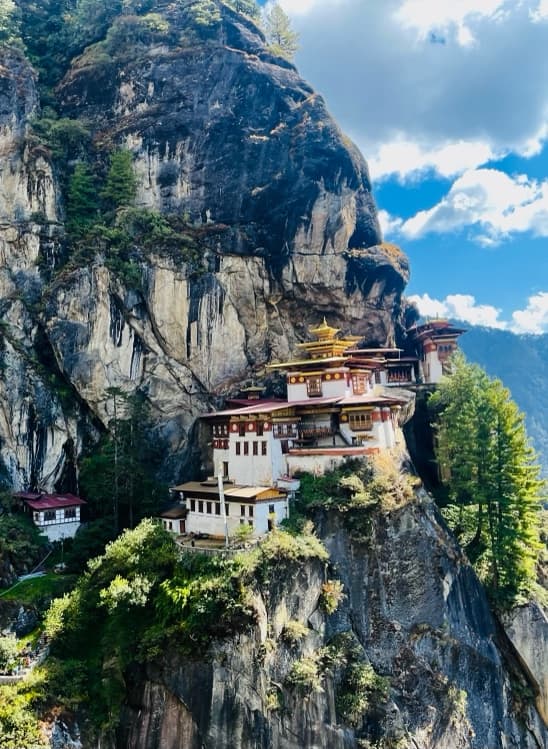
Travel to Paro for the Taktsang Monastery hike (3,120 m). The itinerary describes photography along the trail, possible Himalayan Monal, Fire-tailed Myzornis, and Snow Pigeon sightings, plus views of the monastery, clouds, valleys, and peaks. Evening photography in Paro town; overnight in Paro.
Day 10—Departure from Paro
Drive to Paro International Airport for departure, with time for final photographs of rivers, valleys, mountains, and traditional architecture. The tour package title says 10 Nights / 10 Days, which is internally inconsistent; confirm the number of nights.
Nature & Wildlife